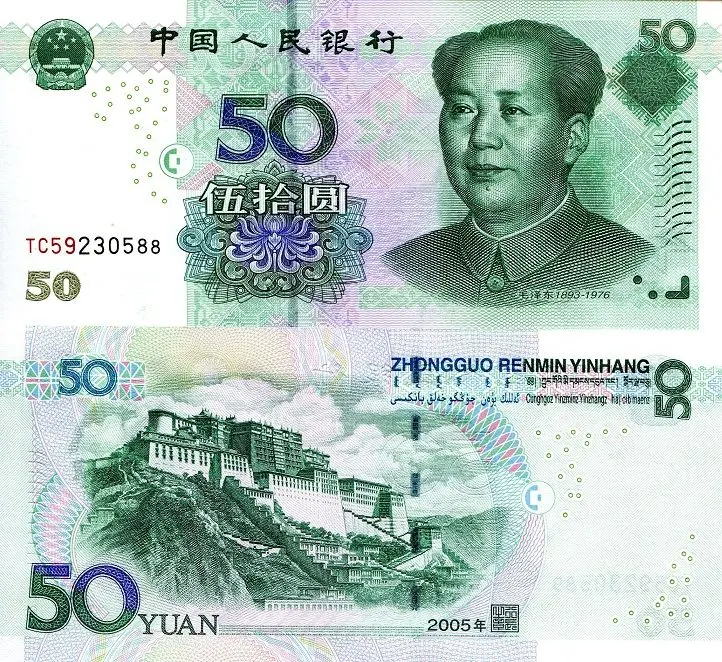
Buy Grade Counterfeit Notes | Fake ¥50 Chinese Yuan Banknotes
Counterfeit cash can look convincing in a photo and still fail the moment it reaches a cashier, bank counter, or currency machine. That is especially true with modern renminbi notes, which include layered security features designed to make fake bills easier to catch and harder to pass.
Anyone searching for counterfeit 50 CNY, fake ¥50 Chinese yuan, or fake Chinese money for sale is stepping into legal, financial, and personal risk. A smarter path is learning how real notes work, how counterfeit bills are detected, and how to exchange or accept yuan with confidence.
Why counterfeit 50 CNY creates serious legal and financial risk
Chinese currency, officially called the renminbi, is protected by strict anti-counterfeiting laws. Attempting to buy, sell, transport, or pass fake ¥50 notes is not a gray area. It is fraud. That means exposure to criminal penalties, confiscation of funds, travel complications, and long-term financial scrutiny.
There is also the practical side. Counterfeit notes are rarely as “undetectable” as sellers claim. Retailers, hotels, transport hubs, banks, and larger merchants often use UV lamps, note detectors, trained staff, and routine cash handling checks. Even when a fake note looks acceptable at first glance, problems often show up through paper texture, print sharpness, registration, or missing optical features.
The scam risk is just as high as the legal risk. Many listings that advertise fake 50 renminbi or buy Chinese counterfeit currency are scams aimed at taking payment without shipping anything at all. Others send poor imitations that are obvious on contact. In both cases, the buyer loses money before the fake note ever enters circulation.
After a quick review of the risk, a few realities stand out:
- Criminal exposure: possession, purchase, and use can trigger prosecution
- Financial loss: sellers often disappear after payment
- Bank detection
- Travel disruption
- Confiscation at checkpoints
- No buyer protection: illegal transactions do not come with reliable recourse
Security features on genuine ¥50 Chinese yuan banknotes
A real ¥50 Chinese yuan note is not just printed paper. It is a layered security document, built with tactile, visual, and machine-readable features. While designs may vary slightly by issue and series, genuine notes typically include consistent quality in paper feel, portrait detail, color transitions, microprinting, and watermark execution.
The fastest way to reduce risk is to know what authentic notes should look and feel like. Counterfeiters often get the general image right while missing the fine structure that makes a banknote authentic.
Here is a simple comparison of what to inspect on a genuine 50 CNY note:
|
Feature
|
Genuine ¥50 Yuan
|
Common Counterfeit Problem
|
|
Paper feel
|
Crisp, firm, distinct cotton-based feel
|
Smooth, waxy, limp, or overly stiff
|
|
Intaglio print
|
Raised ink on key areas
|
Flat printing with little texture
|
|
Watermark
|
Clear when held to light
|
Blurry, printed imitation, or absent
|
|
Security thread
|
Embedded and integrated into the note
|
Surface-printed line or weak imitation
|
|
Fine details
|
Sharp lines and clean microtext
|
Bleeding edges and fuzzy print
|
|
Color quality
|
Balanced and stable tones
|
Oversaturated or dull patches
|
|
Registration
|
Front and back elements line up precisely
|
Misalignment visible in transmitted light
|
A real note usually feels “right” before anything else. That tactile response matters. Many fake notes fail the hand test long before they fail a machine test.
How to spot fake 50 renminbi during everyday cash transactions
Start with touch, then move to light, then inspect print quality. That order works well because counterfeit bills often reveal themselves through the simplest checks. A rushed glance at color alone is not enough.
Side-by-side comparison of a genuine ¥50 Chinese yuan note and a counterfeit example, highlighting paper feel, raised print, watermark, security thread, sharp details, color quality, and registration.
Touch the note first. Genuine renminbi should not feel like regular office paper. The print in selected areas should have slight relief, and the bill should resist folding in a way that feels more controlled and structured than common paper stock. If it feels slippery, thin, or strangely glossy, be cautious.
Next, hold the note up to a strong light. Look for a clean watermark and a properly integrated security thread. If those features seem printed on the surface instead of built into the note, the bill is suspect. Then inspect portrait lines, denomination numerals, and borders. Counterfeit print often softens where authentic print stays sharp.
A few checks are especially useful when a note changes hands quickly at a market, taxi stand, small retail counter, or person-to-person transaction:
- Paper texture: real notes feel durable and fibrous, not copier-smooth
- Raised printing: key design areas should have tactile depth
- Watermark clarity: the image should appear inside the paper, not on top of it
- Edge sharpness: fine patterns should look crisp under close viewing
- Color consistency: watch for muddy gradients or uneven ink coverage
Good lighting helps, though trained observation matters more than gadgets alone. Small portable detectors can support a quick check, but they should not replace careful inspection. Counterfeiters often imitate one or two features while missing the full set.
Safe places to exchange yuan and avoid fake Chinese money scams
The safest source of Chinese currency is a legitimate financial institution or authorized exchange service. That remains true whether you are traveling, receiving business cash payments, or handling leftover foreign currency after a trip. Informal cash deals may seem convenient, but they increase the chance of receiving counterfeit notes, short counts, or outdated bills.
If you need yuan, use a bank, a licensed exchange counter, or a reputable ATM connected to a recognized financial network. If you are receiving yuan from customers or private parties, set clear handling rules. Count under good lighting, inspect the notes before acceptance, and document larger transactions.
Online listings are another major danger area. Ads promising fake Chinese money for sale, “movie prop” renminbi that somehow passes as real, or “undetectable fake CNY” are either criminal offers or straight scams. Even if the seller ships something, it is usually poor quality and legally toxic to possess or use.
A few safer habits make a big difference:
- Banks and licensed currency exchanges
- Major hotel exchange desks with formal receipts
- Airport or rail exchange services from recognized operators
- ATMs attached to established banks
- Verified business payment channels instead of direct cash swaps
If a seller avoids normal payment methods, refuses clear photos under good light, pushes encrypted messaging only, or insists on unusual urgency, step away. Reliable financial transactions do not need secrecy theater.
Red flags in listings that mention counterfeit 50 CNY or fake yuan for sale
Many people assume the main danger comes from law enforcement or bank screening. In reality, a large share of harm happens much earlier, at the point of contact with the supposed seller. Fraud patterns repeat with surprising consistency.
Listings often use vague quality claims, dramatic wording, and pressure tactics. They may promise “grade” notes, “undetectable” print quality, or guaranteed passage through retail and machine testing. Those claims are meant to trigger impulse decisions, not informed ones. No illegal seller can offer meaningful guarantees, and no buyer has a real path to dispute resolution afterward.
Watch for these recurring warning signs in any currency-related offer:
- Unverifiable claims: no credible proof, only assertions and stock photos
- Pressure language: “limited batch,” “today only,” or “urgent order now”
- Anonymous channels: messaging apps with no business identity or traceable support
- Crypto-only payment: chosen to reduce recovery options
- No legal framing: no mention of licensing, receipts, or compliance
Even people who never intend to pass a fake note can still be trapped by these scams. Curiosity alone can lead to phishing attempts, malware links, or payment fraud.
What businesses can do to reduce counterfeit yuan exposure
Businesses that accept cash do not need a complex anti-counterfeit program to lower risk. A few practical controls can cut exposure sharply. Training cash-handling staff on basic inspection is usually more effective than relying on a single device at the register.
Frontline employees should know how authentic paper feels, where to check for security features, and when to pause a transaction for review. Managers should also keep a consistent escalation process. Confusion creates pressure, and pressure leads to mistakes.
A strong operating routine often includes:
- Staff training: short refreshers on tactile and visual checks
- Lighting standards: bright, neutral light at payment points
- Device support: UV or detector pens as backup, not the only test
- Transaction policy: verify larger cash payments before final acceptance
- Incident logging: record date, amount, and source when a note is flagged
Cash businesses in tourism, hospitality, transportation, and informal retail settings tend to face more frequent counterfeit attempts. That does not mean cash should be avoided entirely. It means staff should be ready.
What to do if you receive suspected fake Chinese yuan
Do not try to spend it elsewhere. Passing a note you suspect is counterfeit can turn a bad moment into intentional misconduct. Keep the note separate from genuine currency and limit unnecessary handling.
If you are in a business setting, notify a supervisor and follow internal policy. If you are an individual, bring the note to a bank or relevant local authority for review, depending on your location. Record where and when you received it if you can do so accurately. That information may help identify a pattern.
Stay calm in the moment. Many counterfeit notes circulate because someone accepted them in haste, not because every holder acted with intent. A measured response protects you better than a hurried attempt to “get your money back” by passing the note to someone else.
Why confidence with real yuan matters more than chasing risky shortcuts
Knowing how to verify a genuine ¥50 note gives you something far more useful than a shortcut ever could: control. You can exchange money with less uncertainty, accept cash with better judgment, and avoid the traps built around counterfeit currency schemes.
That applies to travelers, collectors, small businesses, and anyone handling foreign cash. Real confidence does not come from trying to outsmart banknote security. It comes from recognizing authentic features, using legitimate exchange channels, and treating suspicious offers exactly as they deserve to be treated.

Submit a Review